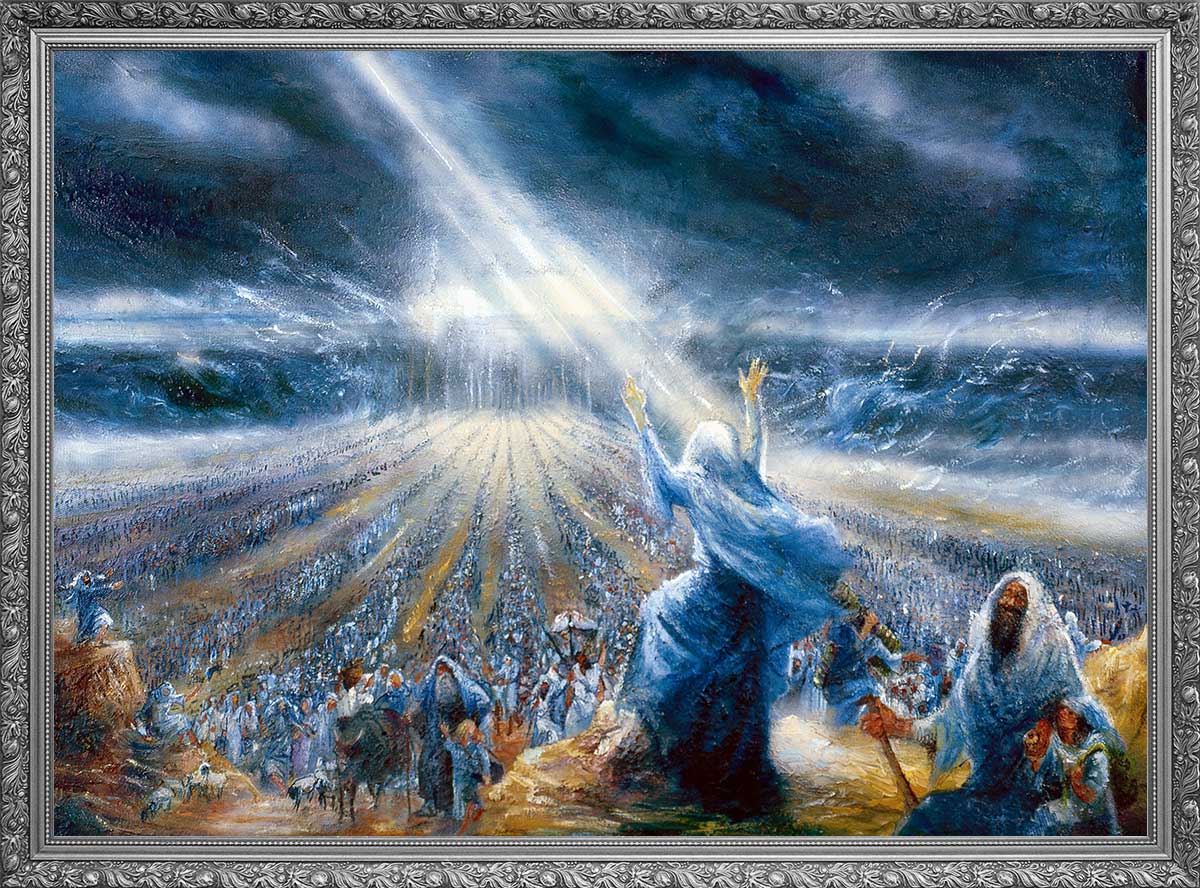
Many art collectors and gallery visitors often find themselves standing in front of a canvas, feeling a deep, quiet resonance they cannot quite explain. It is that silent pull-the immediate emotional weight that bypasses intellectual analysis entirely. You have likely experienced this yourself: you look at a painting, and suddenly, you are not just looking at oil on canvas; you are looking at an unspoken truth.
This phenomenon occurs because true art does not merely represent physical reality; it translates the unseen. The challenge for many lovers of art is understanding how this invisible connection operates, why certain pieces evoke such profound inner shifts, and how to harness this connection to bring a deeper sense of meaning into their own spaces.
The Invisible Connection: Defining the Art-Spirituality Nexus
The relationship between creative expression and spiritual experience is rooted in a shared objective: making the intangible tangible. In the context of modern aesthetics, the art-spirituality nexus is defined as the functional intersection where visual form translates metaphysical, emotional, and existential realities into sensory experiences. While religion often utilizes structured dogmas, spirituality in art operates as an open-ended portal to the sublime, allowing viewers to access deeper states of consciousness regardless of their personal background.
To understand how this operates, we must look at the mechanics of visual perception. When we engage with art that has spiritual depth, our brains do not just catalog shapes and colors; we search for meaning. If a piece of art is created with genuine spiritual intent, it transmits that energy directly to the observer. Think of it as a resonant frequency; the artist embeds a specific emotional or spiritual state into the work, and the viewer’s consciousness aligns with that frequency upon observation.
At Huvy’s Gallery, many original paintings are inspired by themes of faith, light, Jerusalem, biblical heritage, and the spiritual connection between people and place. These works are specifically designed not only to elevate a room’s aesthetic but also to inspire deep reflection, offering a physical gateway to these metaphysical concepts.
How Visual Elements Express the Metaphysical
How does an artist actually paint something that cannot be seen? It requires a sophisticated translation of spiritual concepts into concrete visual elements. The transformation of the invisible into the visible relies on three primary artistic mechanisms:
| Visual Element | Spiritual/Metaphysical Translation | Impact on the Viewer |
| Light & Contrast (Chiaroscuro) | The duality of existence, enlightenment overcoming darkness, divine presence. | Evokes hope, introspection, and a sense of transition or revelation. |
| Sacred Geometry & Flow | Universal order, the interconnectedness of all things, cosmic balance. | Instills a deep sense of calm, stability, and intellectual alignment. |
| Layering & Texture | The complexity of the human soul, hidden truths, the passage of time. | Encourages curiosity, close inspection, and emotional depth. |
When these elements are combined intentionally, the artwork ceases to be mere decoration. For instance, the strategic use of light within a composition does not just illuminate the subject; it symbolizes the presence of the divine or the spark of consciousness within the material world. Placing such a piece in a living space fundamentally alters its energetic quality.
Why Spiritual Art Transcends Cultural Boundaries
What is most remarkable about spiritual art is its universal language. It is a common misconception that spiritual art must be tied to a specific religious tradition or set of symbols. In reality, the most profound spiritual creations completely bypass sectarian boundaries. Whether you come from a traditional background, identify as spiritual but not religious, or simply appreciate the deeper mysteries of life, the visual language of the soul remains identical.
This cross-cultural resonance occurs because human spiritual needs are universal. We all seek peace, connection, meaning, and a sense of something greater than ourselves. When an artist taps into these core desires, they access the collective unconscious.
A creator painting the sacred light of creation in Jewish art, capturing iconic scenes through inspired biblical art, or illustrating the timeless stone streets in Jerusalem paintings are all touching the exact same source. The dialect may differ, but the language of emotional depth is universal.
Choosing Soulful Art Over Simple Decoration
The most common mistake people make when acquiring art is prioritizing superficial aesthetic alignment over emotional resonance. Many buy art solely based on whether the colors match their sofa or if the size fits a specific wall. While visual harmony is important, choosing art purely for decorative purposes misses the transformative potential of the medium.
- Decorative Art: Fills a physical void on a wall. It is passive, quiet, and eventually blends into the background until you no longer even notice it.
- Soulful/Spiritual Art: Fills an emotional and spiritual void in the space. It is active, conversational, and continues to reveal new layers of meaning and feeling over years of viewing.
If you want to create a home or workspace that truly supports your mental and spiritual well-being, you must look for art that challenges, inspires, and comforts you. Look for pieces where you can feel the hand and the spirit of the artist—the slight imperfections, the thick impasto paint, and the unexpected light are the elements where the spirit breathes.
How to Integrate Spiritual Art into Your Daily Space
Integrating spiritually resonant art into your home is about creating a personal sanctuary. To maximize the impact of spiritual art in your everyday environment, you can follow a simple, practical framework:
- Identify your energetic need: Before choosing a piece, ask yourself what energy your space lacks. Do you need a calm, meditative blue abstract to bring peace to a high-stress home office? Or do you need a vibrant, light-filled landscape to bring joy and inspiration to your living room?
- Create a focal point of contemplation: Place your spiritual art in a location where you can view it without distractions. Avoid crowding it with other decorations. Give the artwork room to breathe so that its visual presence can expand and fill the room.
- Engage in active viewing: Treat your art as a visual meditation. Spend just three minutes a day sitting quietly in front of the piece, letting your eyes wander through the brushstrokes and colors. This simple practice can ground your energy and clear your mind after a long day.
Art is one of the few physical objects we can own that has the power to consistently elevate our state of mind. By choosing art that expresses the invisible, you are inviting the sublime into your daily life.
Experience the Art of the Sublime
Explore Huvy’s Gallery and discover original paintings that combine artistic expression with spiritual inspiration. Whether you are looking for a meaningful piece for your home or a unique gift, each artwork is created to bring beauty, reflection, and lasting emotional value.
Frequently Asked Questions About the Art-Spirituality Nexus
Religious art typically depicts specific narratives, figures, and symbols associated with an organized faith to instruct or inspire devotion. Spiritual art, on the other hand, focuses on evoking universal feelings of transcendence, inner peace, light, and cosmic connection, making it accessible to viewers of any background or belief system.
Abstract art is highly effective at conveying spiritual meaning because it does not rely on physical objects to tell a story. By using pure color, light, form, and texture, abstract art speaks directly to the subconscious and emotional self, allowing the viewer to project their own spiritual journey onto the canvas.
You can identify spiritual depth by how you react to the piece physically and emotionally. If a painting makes you pause, alters your breathing, brings a sense of calm, or triggers a deep emotional response that you cannot immediately explain in words, the artwork possesses genuine spiritual resonance for you.
Yes. Art that incorporates harmonious geometry, soothing colors, and themes of light acts as a visual anchor. It can lower stress levels, promote mindfulness, and create a calming, sacred atmosphere that supports your daily mental and spiritual health.